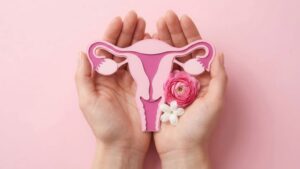
Functional foods and beverages have expanded from digestive health and cholesterol management to needs such as sleep, mood and healthy ageing, raising new questions about which ingredients manufacturers can use, and which benefits they can claim.
“Functional food” has no universally accepted definition. However, the Joint Research Centre’s report Functional food in the European Union (2008) cites the FUFOSE working definition: a food may be considered functional when it has been shown to benefit one or more bodily functions beyond its nutritional role, contributing to better health and wellbeing or reduced disease risk. These benefits should occur at amounts normally consumed as part of the diet (1).
Now, the growing demand for functional foods and beverages is driving innovation, with brands exploring new ingredients to meet changing consumer expectations. Some of these ingredients may qualify as novel foods under Regulation (EU) 2015/2283 and, therefore, require authorisation before they can be placed on the EU market.
Beyond composition, the marketing promises made about these products also raise regulatory questions. Regulation (EU) No 1169/2011 sets general rules for food information, including the prohibition of misleading information, while Regulation (EC) No 1924/2006 governs nutrition and health claims. Broad promises such as “menopause support” or “healthy ageing” do not escape these rules: their wording and context determine the applicable requirements.
Innovative functional ingredients and novel food requirements
First, a functional food does not necessarily mean an unusual or new ingredient. Indeed, functional foods and beverages can also build from “familiar” foods and their health benefits. For example, authorised health claims concern the contribution of walnuts to improved blood vessel elasticity.
However, ingredients range from familiar options to innovative ones that may fall within the novel food framework.
Spreads enriched with plant sterol esters provide an example of functional products initially authorised as novel foods. They may also carry the authorised claim that plant sterols contribute to maintaining normal blood cholesterol levels, provided both the novel food requirements and the conditions governing the claim are met (2, 3).
Innovation alone does not make an ingredient novel: its history of consumption, source and production process must be assessed.
To this effect, Regulation (EU) 2015/2283 establishes the EU framework for novel foods, which are defined as food that was not consumed to a significant degree by humans in the EU before 15 May 1997 and falls within at least one of the ten categories listed in the Regulation (4). These include certain foods derived from plants, microorganisms or cell cultures, as well as foods obtained through new production processes.
If an ingredient qualifies as novel, the next step is to check whether it is already authorised and included in the Union list, and whether the intended use meets the listed conditions. If a new authorisation is needed, an application must be submitted to the European Commission with evidence of safety under the proposed conditions of use. The process may generally involve an EFSA assessment, and the total timeline is about 2 years. If authorised, the ingredient is added to the Union list with its specifications and conditions of use.
Marketing of functional foods and beverages
Regardless of its novel food status, any claims made about a functional food or beverage must comply with Regulation (EC) No 1924/2006, including its requirements on the claimed benefits and their wording (5).
One option is to use an ingredient for which a health claim is already authorised, provided the product meets the relevant conditions of use. For magnesium, for example, one authorised claim is: “Magnesium contributes to a reduction of tiredness and fatigue.”
A product aimed at women experiencing menopause might, for example, focus on fatigue rather than promise general menopause support. However, the authorised magnesium claim does not establish a benefit for sleep or menopause symptoms. The wording and overall presentation must remain strictly within the scope of the authorised effect.
A novel ingredient may bear an existing health claim: authorised UV-treated mushroom powder can provide vitamin D, allowing a product to use a vitamin D claim if it meets both the claim’s conditions and the novel food authorisation.
Conversely, a familiar food may be the subject of a new health claim application. Green kiwifruit illustrates this scenario, with the authorised claim: ‘Green kiwifruit contributes to normal bowel function through increased stool frequency’(6).
More targeted claims may be harder to substantiate, particularly when they concern specific symptoms or stages of life. Familiarity with an ingredient does not establish its effectiveness for a new purpose: the evidence must demonstrate a cause-and-effect relationship between its consumption and the claimed benefit. An application may therefore be unsuccessful even where the ingredient is already widely used, like for soy isoflavones, where EFSA found insufficient evidence to establish a cause-and-effect relationship with reduced vasomotor symptoms associated with menopause (7).
The most complex route combines novel food requirements with an application for a new health claim, as both frameworks may apply to the same product. Permission to market the ingredient and permission to communicate its health benefits are separate decisions: novel food authorisation addresses safety and permitted uses, while health claim authorisation addresses the evidence supporting the claimed effect.
References and notes
- Stein, A. J. and Rodríguez-Cerezo, E. (eds.), Functional Food in the European Union, European Commission, Joint Research Centre, EUR 23380 EN, 2008, p. 13, section 2.1 (reproducing the FUFOSE working definition, Diplock et al., 1999).
- Commission Decision of 24 July 2000 on authorising the placing on the market of ‘yellow fat spreads with added phytosterol esters’ as a novel food or novel food ingredient under Regulation (EC) No 258/97 of the European Parliament and of the Council (notified under document number C(2000) 2121).
- Commission Regulation (EU) No 432/2012 of 16 May 2012 establishing a list of permitted health claims made on foods, other than those referring to the reduction of disease risk and to children’s development and health.
- Regulation (EU) 2015/2283 of the European Parliament and of the Council of 25 November 2015 on novel foods, amending Regulation (EU) No 1169/2011 of the European Parliament and of the Council and repealing Regulation (EC) No 258/97 of the European Parliament and of the Council and Commission Regulation (EC) No 1852/2001.
- Regulation (EC) No 1924/2006 of the European Parliament and of the Council of 20 December 2006 on nutrition and health claims made on foods.
- Commission Implementing Regulation (EU) 2025/1560 of 30 July 2025 authorising a health claim made on foods, other than those referring to the reduction of disease risk and to children’s development and health, and amending Regulation (EU) No 432/2012.
- EFSA NDA Panel, Scientific Opinion on the substantiation of health claims related to soy isoflavones and maintenance of bone mineral density […] and reduction of vasomotor symptoms associated with menopause […] (further assessment), EFSA Journal, 2012, 10(8):2847. doi:10.2903/j.efsa.2012.2847.

From Soil Health to Business Resilience: Why Sustainability is no Long...

Complete Gut Health Solutions One Ecosystem. Seven Science-Led Strateg...
Peer-reviewed – Prebiotic Efficacy of a Fiber-Polyphenol Complex...

The Blueprint – How Functional Ingredients Pioneered the Digital...
A Word With – Reyhan Nergiz Unal and Yingying Wu – PB Leiner
Peer-reviewed – Development of Plant-Based Sodium Alginate-Aloe...

A Word With – Shaheen Majeed – CEO & Managing Director, Sab...

Peer-reviewed – Probiotic yeasts for gut microbiota and immune d...