Introduction — New Ways of Seeing The Omega-3 Nutrition Gap
A dilemma in omega-3 nutrition has challenged physicians, dieticians, and clinical researchers for decades. More than 50 years of research has demonstrated medically indisputable cardiovascular, brain, prenatal health, cell signaling, and anti-inflammatory wellness benefits from improved dietary omega-3 intakes (1, 2, 3). Yet a sizeable majority of people around the world are not consuming enough omega-3 to get the benefits. In the first country-by-country review of omega-3 EPA/DHA dietary recommendations, 76% of the world’s population are not meeting even minimum FAO/WHO intake recommendations (4). This despite more than 80% of consumers in industrialized countries recognizing that improved omega-3 intakes are beneficial (5). Such a wide gap between favorable consumer perception and actual use highlights a global omega-3 nutrition gap. Compounding the challenge, rising ocean temperatures and aquaculture industry demand are placing historic pressure on marine ecosystems to supply omega-3 fatty acids sustainably (6). Even modest progress towards closing this gap would have enormous societal health, longevity, and healthcare savings benefits (4).
Further, new analytical techniques in measuring how quickly omega-3 EPA (eicosapentaenoic acid) and DHA (docosahexaenoic acid) can form in key tissues (liver, heart, brain, adipose) are making headlines. Typical omega-3 and omega-6 metabolism and dietary sources are shown in Figure 1.
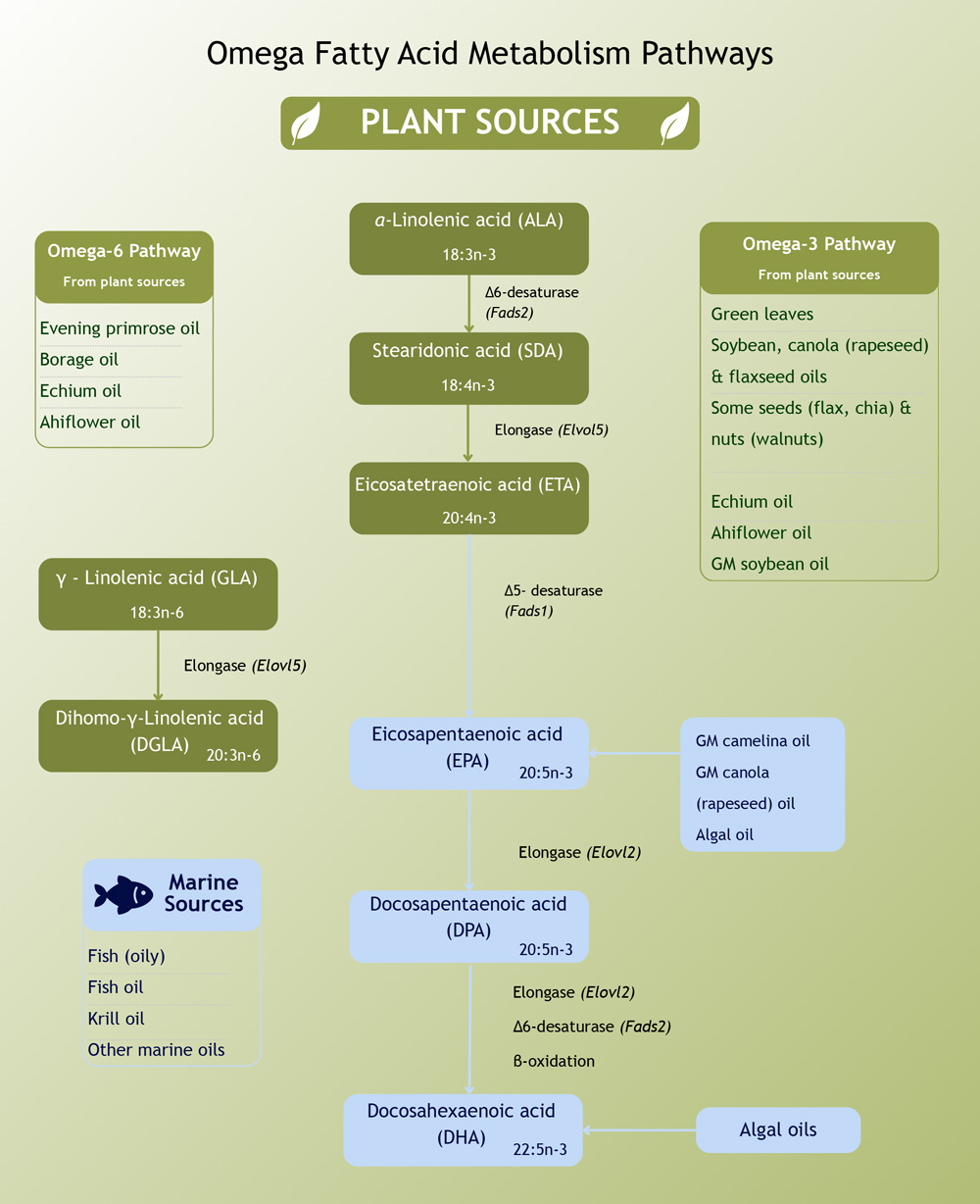
Figure 1. Omega-3 and omega-6 fatty acid metabolism and key enzymes involved.
The latest analytical methods expose that relying only on blood-based measures of EPA and DHA levels greatly underestimates the body’s dynamic, adaptive capacity to meet its total omega-3 and DHA requirements. Notably, new evidence shows that the body’s actual ALA-to-DHA conversion rate is at least 10x higher than previously understood. A rubric that has held for more than 30 years — that plant-based ‘precursor’ omega-3 ALA (alpha linolenic acid) conversion to DHA is ‘inefficient’ (7) — is getting revised.
This has broad implications for omega-3 dietary recommendations and opens greater complementary value for plant-based omega-3 sources rich in ALA and SDA (stearidonic acid). This paper surmises recent research and advocates that if doctors, dieticians, omega-3 researchers, and epidemiologists recognize this new science and recommended dietary ALA and SDA sources as complementary to EPA and DHA sources, it would help close the omega-3 gap. It would potentially lower societal health costs associated with aging and inflammatory diseases.
Insights — New Ways of Assessing Dietary Omega-3 Sufficiency
Accumulated randomized control dietary trial evidence shows consistently that in vegans—who consume little to no EPA and DHA from fish or other animal sources—DHA is still the most abundant LC-PUFA in their blood fractions (8). They maintain approximately 40-60% of the circulating DHA that people who consume EPA/DHA sources maintain, entirely from endogenous DHA synthesis. New cohort studies that separate vegans, vegetarians, flexitarians, and omnivores while measuring their omega-3 status confirm that vegans indeed have lower omega-3 index (O3I) levels than fish and meat-eating cohorts (9), as O3I is dominated 83% by DHA (10). However, vegans in these cohorts studies also tended to have lower inflammatory tone (hsCRP) than omnivores (9), while body-mass index (BMI) correlated strongly with (hsCRP), two well-recognized clinical measures correlating generally with chronic low-grade inflammation in the body.
Further, new large-scale UK Biobank human cohort studies associate significantly better avoided risks for atrial fibrillation (11), early onset dementia (12), and lifetime depression/anxiety (13) from improving ‘non-DHA’ plasma omega-3 status (the sum of ALA+EPA+DPA) vs elevated DHA status alone. Raising circulating ‘non-DHA’ omega-3 fatty acid levels is readily and efficiently achievable from consuming plant-based ALA/SDA rich dietary sources.
A new 9-month human dietary intervention trial using flaxseed oil (the longest such trial duration carried out in humans, n = 38-45 per arm) showed that daily flaxseed oil supplementation raised plasma and erythrocyte DHA levels significantly (14) in all diet styles: Western diet, flexitarian, vegetarian, and vegan.
Notably, the vegans achieved the 2nd highest (+20.7%) erythrocyte DHA increase compared to +26% by the Western diet cohort, followed by vegetarians (+17.5%) and flexitarians (+12.8%). Since the vegans consumed no preformed DHA, their significant improvement in erythrocyte DHA levels might be surprising to some observers.
This accumulating evidence in humans exposes a paradox: how can people who consume essentially zero DHA and gain all their omega-3’s from plant-based sources, trend better in inflammatory markers of healthy aging and avoided cause-specific mortality than omnivores who consume EPA/DHA and have significantly higher O3I scores? Are the many well-established health and longevity goals of having an optimal O3I score (>8%) also attainable by vegans whose hepatic and whole-body ALA-to-DHA conversion is more dynamic? The paradox might resolve if we allow that significant tissue DHA conversion and maintenance is occurring more efficiently and adaptively in vegans and vegetarians than is reflected by measuring their erythrocyte DHA levels and/or that their overall physiological DHA requirements are lower than for omnivores.
Furthering this evidence, in a new vegan dietary trial, preformed DHA intakes have been shown to start inhibiting normal ALA-DHA synthesis at relatively low DHA intakes of approximately 269 mg/day (15). This is the point at which the trial researchers posit that plasma EPA levels in these humans—whose diets have only ALA sources—start to rise because their physiological needs for DHA have been met. Importantly in this trial, the ALA in their diets contributed to approximately 50% of the newly formed DHA in their blood, despite DHA supplementation. On a whole-body basis, the researchers calculated that these vegans’ actual ALA-DHA conversion rates were at least 10x higher than previously accepted <1% estimates (16).
In humans (17) and rodents (18) brain DHA levels do not correlate well to circulating blood DHA levels, thus to DHA intakes. The healthy adult human brain’s DHA requirement is approximately only <4 mg/day (17). Mice have been shown to closely maintain equilibrium in brain DHA concentrations from dietary ALA, SDA, or DHA omega-3 sources at similar PUFA dietary intakes, readily achievable in humans from plant-based precursor ALA and SDA sources (19). The body places high regulatory priority on maintaining brain and eye DHA levels even when only ALA and SDA sources are available in the diet. Adipose ALA stores in humans, while relatively low (<1%) in concentration, nevertheless are an available substrate for deployment for endogenous EPA and DHA biosynthesis. Adipose tissue stores of ALA in the body are abundant, estimated at an average of 97 g in men and 112 g in women (20). As with the brain’s DHA concentrations, adipose ALA stores do not correlate strongly with erythrocyte DHA levels as measured by the O3I (21).
Omega-3 SDA converts far more efficiently to EPA in humans than ALA, as shown in human trials comparing Buglossoides (17-21% SDA) and echium (11-14% SDA) seed oils to flaxseed oil and finding up to 400% higher EPA accrual in circulating blood fractions. This is due to SDA by-passing the hepatic enzyme delta-6 desaturase step in ALA’s conversion to EPA (22, 23, 24) (see Figure 1).
In a 2026 mouse trial, the first to compare Buglossoides and echium seed oil intakes on circulating fatty acid levels and in tissues like the brain, heart, and liver, Buglossoides oil’s superior EPA accrual (vs echium and soya oils) was confirmed and all three oils maintained heart and brain DHA levels comparably, while only Buglossoides and echium oils raised red blood cell DHA levels. Commenting on observed limits in heart and brain DHA accrual, the authors wrote, “…the observed plateau in tissue DHA enrichment appears to be driven more by physiological constraints on tissue incorporation than by inefficiencies in the metabolic conversion of n-3 precursors” (25).
In a diet-switch model in which newborn mice were equilibrated to DHA levels using algal DHA as their only omega-3 source from birth, Buglossoides oil was shown to form new DHA in brain and liver tissues at statistically similar rates as pure preformed DHA from fish oil, yet the flaxseed oil fed mice did so significantly less rapidly than DHA-fed mice. The authors of that study concluded that dietary Buglossoides oil “…may be a useful plant-based dietary source for maintaining tissue DHA turnover comparably to dietary DHA” (19).
This accumulating evidence updates the blood-based understanding that plant-based precursor omega-3 intakes are ‘inefficiently’ metabolized to DHA to support its well-recognized cell membrane structural and anti-inflammatory signaling and pro-resolving activity in the body. SDA sources in particular achieve faster tissue-specific DHA turnover than ALA-only sources. Mediterranean-style diets, long recognized to promote healthier cardiovascular, cognitive, and metabolic health (hence better quality health spans), are naturally rich in plant-based omega-369 sources that also provide GLA (gamma linolenic acid) and OA (oleic acid). Including flax, chia, Buglossoides, and hemp oils, along with walnuts, seaweeds, and dark leafy greens in these diets will enrich tissues requiring EPA and DHA.
The human body has likely preserved from our ancient migratory hominid origins a multiply-redundant capacity for maintaining key tissue DHA equilibrium while consuming a wide variety of plant-based omega-3 sources (8). Vegans’ demonstrated enhanced DHA biosynthesis capacity (not captured directly by the O3I) helps explain their overall quality of health spans and many lower cause-specific mortality risks vs omnivores.
New Evidence — Novel Yet Logical Effects from Plant-Based SDA Sources
Beyond demonstrated innate DHA interconversion dynamics, SDA from Buglossoides oil has also recently been shown to instigate novel prebiotic gut microbiome catalog effects—raising beneficial Bacteroides while lowering pro-inflammatory clostridia species—which then elevates GI-tract endocannabinoid-like metabolites, including commendamide and short chain fatty acid proprionate, helping protect gut barrier integrity and reduce ‘leaky gut’ brain and pancreatic endotoxin. The researchers stated, “Our findings suggest a more targeted and selective influence of Buglossoides oil, aligning with the criteria accepted to define a food supplement as a prebiotic” (26).
In parallel research in parenteral nutrition (IV emulsion) applications in piglets, Buglossoides oil (tradename: Ahiflower®) demonstrated novel, superior suppression vs a fish oil-based emulsion of pro-inflammatory cytokines and LPS endotoxin in brain and pancreatic tissues, resulting in lower plasma insulin levels (27). That these effects were observed in a parenteral nutrition model (where gut microbiota metabolism is not involved) reinforces that significant endogenous omega-3 biosynthesis is occurring. The findings led Prof Philip Calder, a globally leading omega-3 metabolism researcher, to write a special editorial in the journal Nutrition, in which he observed, “…the findings suggest anti-inflammatory, immune supporting, insulin sensitizing, and hepato-protective effects of the Ahiflower oil emulsion relative to the comparator(s). These effects are all clinically relevant” (28).
In both cases, these effects were recognized as driven significantly by SDA, either via conversion to SDEA (stearidonoyl ethanolamine) by beneficial gut microbiota or by Buglossoides oil which contains the highest combined levels of ALA, SDA, and GLA. Of interest, ALA, SDA, and GLA are potent free fatty acid receptor (FFA4) agonists, significantly more so than EPA and DHA, enhancing GLP-1 hormone secretion in enterocytes (29) in the gut. This supports dietary ALA/SDA/GLA sources’ complementary use in nutrient dense meal replacement applications where flaxseed oil (ALA only) lacks SDA and GLA, and where marine-based EPA/DHA oils typically contain no ALA/SDA/GLA and can present oxidative stability challenges in shelf-stable food/beverage applications.
Further, dietary Buglossoides oil was recently investigated in a triple-crossover human trial for 20 days in young adults with no restrictions on background diet. The researchers found that Buglossoides oil raised HDL cholesterol significantly (+11%), tripled plasma EPA, and raised a host of EPA-derived oxylipins while lowering arachidonic acid (ARA)-derived oxylipins, significantly lowering the subjects’ ARA:EPA ratio (p<0.001), another marker of whole-body inflammatory tone (30). Oxylipins play a significant role in cellular signaling, gut-organ crosstalk, and gene regulation which significantly impacts health factors that affect a person’s health span trajectory (31).
Finally, in a mouse trial investigating inflammation resolution effects between Buglossoides oil and fish oil (vs Western diet) in induced rheumatoid arthritis, Buglossoides oil reduced symptoms comparably to fish oil at the same intakes, equivalent to ~6 g/day in adult humans (32). Impacts on inflammation markers, platelet microvesicles (PMVs), plus clinical index, ankle thickness, and cytokine/chemokine release, were assessed. The authors concluded, “Low concentrations of dietary B. arvensis oil may have similar anti-inflammatory potential seen with dietary fish oil supplementation.” These comparable anti-inflammatory, pro-resolving impacts as fish oil on induced inflammation in mammalian joints at the same dietary intakes are notable.
Dietary formulators and dieticians seeking to improve omega-3 status while supporting a whole-body anti-inflammatory phenotype, protect pancreatic insulin sensitivity, and enhance overall GI-tract endocannabinoid signaling, for example to support hormonal balance in peri-menopausal women’s health and overall healthy aging, can point to this accumulating evidence.
Complementary and Climate Resilient: Plant-Based SDA Earns Systematic Review
The omega-3 industry’s primary focus on providing wild-harvested marine EPA/DHA ingredients has well documented supply sustainability, aquaculture demand, and climate-change based challenges that will only compound in the future (4, 33, 34). As described above, plant-based omega-3 rich sources help achieve the health goals and recognized benefits of the Mediterranean diet while raising total omega-3 levels in plasma. Plant-based sources providing optimized levels of ALA/SDA and anti-inflammatory, hormone-balancing GLA represent clinically relevant complements to sources providing only ALA and LA and offer excellent complementary approaches to EPA/DHA in closing the omega-3 nutrition gap.
The first systematic literature review of SDA was recently published (35). The review describes SDA’s consistent anti-inflammatory effects across a range of cell and tissue types. The review’s authors summarize SDA’s capacity to weaken chronic inflammatory signaling by blocking or inhibiting pro-inflammatory signaling markers and enhancing endothelial markers of higher nitric oxide production, associated with better blood circulation while lowering vascular inflammation markers. They provide evidence of reduced inflammasome activation from SDA sources supporting full-term gestation, improved insulin sensitivity and metabolic response, and neuro-protection. They state, “All these observations signify that plant-based SDA can act as an authentic anti-inflammatory product across innate immune and vascular compartments, alternate to marine sources.” Reviewing over 120 published papers mostly from the past 10 years, this systematic review is timely in light of mounting marine EPA/DHA sustainable supply constraints. Plant-based SDA sources led by Buglossoides oil are seen by the study’s authors as having promise for overcoming omega-3 deficiency in the Western diet through an agriculture-based supply chain which can be greatly expanded without sustainability concerns. This systematic review affirms a prior 2025 literature review’s conclusions recognizing clinically relevant health effects of SDA sources which are complementary to EPA/DHA (36).
Conclusion
New research that can now capture ALA-DHA synthesis-accrual dynamics (aka ‘turnover’) in key tissues (brain, liver, adipose) and circulating cells, shows that in the absence of preformed EPA/DHA intakes, humans and animals alike closely prioritize, regulate, and accrue DHA from plant-based ALA and SDA as physiologically needed. The liver enzymes involved in these conversions (notably delta-6 desaturase and ELOVL2) respond dynamically, and adipose LC-PUFA stores may play a role, assuring no deficiencies in key tissue or membrane EPA, DPA, or DHA occur while raising total omega-3 status significantly (8, 37). Further, since this same research uses naturally-occurring carbon isotope signatures and can precisely differentiate ‘preformed’ DHA (in marine or algal sources) from DHA that is endogenously synthesized from ALA and SDA, researchers have demonstrated that preformed DHA inhibits its own synthesis in the ALA-DHA pathway at relatively low intake levels (15,16, 38). Elevated DHA intakes can inhibit the body’s natural process of forming new DHA from ALA, SDA, and EPA dietary sources, akin to knocking out the liver enzymes that regulate the process. Clinically significant, efficient whole-body ALA-DHA conversion is happening when no EPA/DHA is in the diet, which O3I-style measures have significantly underestimated.
By regularly consuming rich plant-based omega-3 sources, vegans, vegetarians, and people who prefer not to consume preformed EPA/DHA can easily and sustainably meet the body’s DHA requirements. A plant-based diet that mindfully includes rich ALA/SDA sources will improve plasma ALA/EPA/DPA levels, and DHA requirements will be met, without triggering any DHA inhibition effects. Medically supported DHA intakes, including during peri-natal and neo-natal life stages are of course well indicated and complementary to plant-based ALA/SDA sources. The accumulated evidence for dietary SDA sources having complementary anti-inflammatory effects as marine omega-3 sources, favorably impacting cardiovascular, cognitive, joint, immune, and gut wellness, is consistent thus far. Further human and population-specific clinical trials (eg healthy aging, peri-menopause, children) are warranted especially in light of societal needs to widen dietary inclusions, improve overall omega-3 intakes and close the global omega-3 nutrition gap.
References and notes
Declaration:
This article was written without the use of artificial intelligence (AI) assistance. The only exception is Figure 1, which was developed with the assistance of ChatGPT Plus.
The author is an employee of Natures Crops International, the exclusive global grower and producer of Ahiflower® oil.
- Calder PC. Very long-chain n-3 fatty acids and human health: fact, fiction and the future. Proc Nutr Soc. 2018;77(1): 52–72. doi: 10.1017/S0029665117003950.
- Schulze MB, Minihane AM, Saleh RNM, Risérus U. Intake and metabolism of omega-3 and omega-6 polyunsaturated fatty acids: nutritional implications for cardiometabolic diseases. Lancet Diabetes Endocrinol. 2020;8(11): 915–930. doi: 10.1016/S2213-8587(20)30148-0
- Baker EJ et al. Omega-3 LC-PUFA consumption is now recommended for women of childbearing age and during pregnancy to protect against preterm and early preterm birth: implementing this recommendation in a sustainable manner. Front Nutr. 2024;11:1502866. doi: 10.3389/fnut.2024.1502866
- Calder PC et al. An overview of national and international long chain omega-3 polyunsaturated fatty acid intake recommendations for healthy populations. Nutr Res Rev. 2025; Nov 24;39:e6. doi: 10.1017/S0954422425100279
- Roke K, Rattner J, Brauer P, Mutch DM. Awareness of omega-3 fatty acids and possible health effects among young adults. Canadian J Diet Prac Res. 2018; 79(3): 106-112. doi:10.3148/cjdpr-2018-005
- Lewis E et al. Sustainable and available sources of omega-3 fatty acids for health: are the current dietary recommendations, food sources and legislation fit for purpose? Nutrition Research Reviews. 2025;38(2):843-858. doi:10.1017/S0954422425100127
- Arterburn LM, Hall EB, Oken H. Distribution, interconversion, and dose response of n-3 fatty acids in humans. Am J Clin Nutr. 2006; Jun;83(6 Suppl):1467S-1476S. doi: 10.1093/ajcn/83.6.1467S.
- 8. Burdge GC. α-linolenic acid interconversion is sufficient as a source of longer chain ω-3 polyunsaturated fatty acids in humans: an opinion. Lipids. 2022; 57:267–287. doi: 10.1002/lipd.12355
- Klein L, Lenz C, Krüger K, Lorkowski S, Kipp K, Dawczynski C. Comparative analysis of fatty acid profiles across omnivorous, flexitarians, vegetarians, and vegans: insights from the NuEva study. Lipids Health Dis. 2025; Apr 9;24(1):133. https://doi.org/10.1186/s12944-025-02517-6.
- Harris WS. The omega-3 index as a risk factor for coronary heart disease. Am J Clin Nutr. 2008;87:1997S-2002S. doi: 10.1093/ajcn/87.6.1997S
- O’Keefe E et al. Associations Between Plasma Omega‐3 and Fish Oil Use With Risk of Atrial Fibrillation in the UK Biobank. J Amer Heart Assoc. 2025 ;14:24. https://doi.org/10.1161/JAHA.125.043031
- Harris WS et al. Associations of Plasma Omega-3 Fatty Acid Levels and Reported Fish Oil Supplement Use with Depression and Anxiety: A Cross-Sectional Analysis from the United Kingdom Biobank. J Nutrition. 2026;156:1; 101219. https://jn.nutrition.org/article/S0022-3166(25)00680-7/fulltext#tbl1
- Aleix Sala-Vila, Nathan L. Tintle, Jason Westra, William S. Harris. Blood omega-3 is inversely related to risk of early-onset dementia. Clinical Nutrition. 2025;57:2026; 106559. https://doi.org/10.1016/j.clnu.2025.106559.
- Klein L, Kipp K, Lorkowski S, Eichelmann F, Dawczynski C. Impact of α-linolenic acid supplementation on long-chain n-3 fatty acid profiles in Western, flexitarian, vegetarian, and vegan diets. Front Nutr. 2025; Dec 15;12:1727308. doi.org/10.3389/fnut.2025.1727308
- Symington A. “Informing Dietary DHA Requirements: Dose-Response Effects on EPA Accumulation and DHA Turnover in Vegetarian and Vegan Adults.” Poster presentation at Food & Nutrition Conference & Expo 2026, October 24-27.
- Bazinet RP, “New methods lead to new insights on the role of diet and the liver in maintaining a healthy fat brain.” Presented at: International Award Lecture, SCI Lipids in diet and health symposium; 2025 November 27; London, UK.
- Domenichiello AF, Kitson AP, Bazinet RP. Is docosahexaenoic acid synthesis from 𝛂-linolenic acid sufficient to supply the adult brain? Prog Lipid Res. 2015; 59:54-66. doi: 10.1016/j.plipres.2015.04.002
- Domenichiello AF, Chen CT, Trepanier MO , Stavro PM, Bazinet RP. Whole body synthesis rates of DHA from 𝛂-linolenic acid are greater than brain DHA accretion and uptake rates in adult rats. J Lipid Res. 2014; 55:62-74. doi: 10.1194/jlr.M042275
- Metherel AH, Klievik BJ, Cisbani G, Smith ME, Cumberford G, Bazinet RP. Blood and tissue docosahexaenoic acid (DHA, 22:6n-3) turnover rates from Ahiflower® oil are not different than from DHA ethyl ester oil in a diet switch mouse model. BBA – Mol Cel Bio Lipids. 2024; 1869:159422. doi: 10.1016/j.bbalip.2023.159422
- Baker EJ, Miles EA, Burdge GC, Yaqoob P, Calder PC. Metabolism and functional effects of plant-derived omega-3 fatty acids in humans. Prog Lipid Res. 2016; 64:30-56. doi: 10.1016/j.plipres.2016.07.002
- Harris WS, Pawlak R, Ryder N, Miles F, Fraser G. Dietary and erythrocyte PUFAs in vegan, lacto-ovo vegetarian, pesco-vegetarian, and non-vegetarian participants of the Adventist Health Study-2. PLEFA. 2025; 207:102709. doi: 10.1016/j.plefa.2025.102709.
- Lefort N, LeBlanc R, Giroux MA, Surette ME. Consumption of Buglossoides arvensis seed oil is safe and increases tissue long-chain n-3 fatty acid content more than flax seed oil – results of a phase I randomised clinical trial. J Nutr Sci. 2016; 5(e2):1-12. doi: 10.1017/jns.2015.34
- Lefort N, LeBlanc R, Surette ME. Dietary Buglossoides arvensis oil increases circulating n-3 polyunsaturated fatty acids in a dose-dependent manner and enhances lipopolysaccharide-stimulated whole blood interleukin-10 – a randomized placebo-controlled trial. Nutrients. 2017; 9(3): 261-278. doi: 10.3390/nu9030261
- Kuhnt, K., et al. Dietary echium oil increases long-chain n-3 PUFAs, including docosapentaenoic acid, in blood fractions and alters biochemical markers for cardiovascular disease independently of age, sex, and metabolic syndrome. J Nutr. 2014; 144(4): 447-460.
- Segre LV, Bisinotto MS, Castro IA. Eicosapentaenoic and docosahexaenoic acid levels in mouse tissues after intake of echium and ahiflower oils rich in stearidonic and α-linolenic acids. Lipids; 2026: Feb 13. doi: 10.1002/lipd.70041. Epub ahead of print. PMID: 41689236.
- Roussel C et al. Human gut microbiota and their production of endocannabinoid-like mediators are directly affected by a dietary oil. Gut Microbes. 2024; 16(1): 2335879. doi: 10.1080/19490976.2024.2335879
- Lucchinetti E et al. The novel lipid emulsion Vegaven is well tolerated and elicits distinct biological actions compared with a mixed-oil lipid emulsion containing fish oil: a parenteral nutrition trial in piglets. J Nutr. 2025; 155(3): 703-718. doi: 10.1016/j.tjnut.2024.10.047
- Calder PC. Novel lipid emulsion supports positive outcomes in piglets receiving total parenteral nutrition. J Nutr. 2025; 155(3): 664-666. doi: 10.1016/j.tjnut.2024.12.015
- Ulven T, Christiansen C. Dietary fatty acids and their potential for controlling metabolic diseases through activation of FFA4/GPR120. Annu. Rev. Nutr. 2015; 35:239–63. doi:10.1146/annurev-nutr-071714-034410
- Seidel U et al. Stearidonic acid improves eicosapentaenoic acid status: studies in humans and cultured hepatocytes. Front Nutr. 2024; 11:1359958. doi: 10.3389/fnut.2024.1359958
- Fisk HL, Shaikh SR. Emerging mechanisms of organ crosstalk: The role of oxylipins. Nutrition Bulletin. 2024; 50(1):12-29. doi: 10.1111/nbu.12726
- Laevski, AM et al. Dietary omega-3 fatty acids modulate the production of platelet-derived microvesicles in an in vivo inflammatory arthritis model. Eur J Nutr. 2024; 63(6):2221-2234. doi: 10.1007/s00394-024-03397-9
- Salem N, Eggersdorfer M. Is the world supply of omega-3 fatty acids adequate for optimal human nutrition? Curr Opin Clin Nutr Metab Care. 2015;18(2): 147–154. doi: 10.1017/S0954422425100127
- Glencross BD et al. Omega-3 futures in aquaculture: exploring the supply and demands for long-chain omega-3 essential fatty acids by aquaculture species. Rev Fish Sci Aquaculture. 2025;33(2):167-216. doi: 10.1080/23308249.2024.2388563.
- Umer Z et al. Stearidonic acid (18:4n-3): sources, metabolism, and health effects—a systematic review. Nutr Res. 2026;150:1-18. doi: 10.1016/j.nutres.2026.03.012
- Baker EJ, Cumberford G, Hanaway P. Recognizing the health benefits of plant-sourced omega-3 stearidonic acid: exploring its complementary role to preformed EPA/DHA. J Lipids. 2025;0:1–8. doi: 10.1002/lipd.12452
- Rotarescu RD et al. Serum measures of docosahexaenoic acid (DHA) synthesis underestimates whole body DHA synthesis in male and female mice. J Nutr Biochem 2024;131:109689. doi: 10.1016/j.jnutbio.2024.109689.
- Metherel et al. Dietary docosahexaenoic acid (DHA) downregulates liver DHA synthesis by inhibiting eicosapentaenoic acid elongation. J Lipid Res. 2024;65(6) 100548. doi: 10.1016/j.jlr.2024.100548

The Anatomy of a Paradox and a Need for Real-World Evidence

The timeless skin revolution: how Indena’s botanical innovations...

How GLP-1 is reshaping food supplements

Beyond Longevity: the new frontier of healthy aging with full spectrum...

The Blueprint — How Functional Ingredients Pioneered the Digital Decen...

Probiotic Human Study Design and Reporting (PRODARE): improving probio...

PEER REVIEWED – Acute postprandial gastrointestinal symptom reli...

Insights from the 19th International Scientific Conference on Probioti...