
Introduction
Probiotics are defined as live microorganisms that, when administered in adequate amounts, confer a health benefit on the host (1). Human studies with specific probiotic strains have demonstrated their potential across a range of health conditions (2). However, despite the rapid expansion of probiotic research, inconsistencies in study design and reporting remain a major limitation. These inconsistencies slow scientific progress, complicate regulatory evaluation, and hinder the translation of findings into well-documented products for foods and dietary supplements.
Existing guidelines for human nutrition studies are largely generic and do not explicitly address the distinctive features of probiotic interventions (3, 4). Although general guidance for clinical nutrition studies exists, it does not address key probiotic-specific issues, including strain characterization, product stability, viability throughout the study, and verification of the administered dose.
Consequently, investigators often lack practical guidance for designing and reporting probiotic studies in a consistent manner. This leads to reduced reproducibility, limited comparability, and challenges in establishing scientific and regulatory credibility.
To address these issues, an expert initiative led by the International Life Sciences Institute (ILSI) Europe developed the PRObiotic human study Design And REporting (PRODARE) recommendations. These provide a structured framework for designing, conducting, and reporting human probiotic studies across different study types, with the aim of improving methodological rigor and consistency.
The recommendations are described in detail in a publication earlier this year (2026) (5). This article provides an overview of the PRODARE framework and discusses its practical implications for researchers, industry, and other stakeholders involved in probiotic research.
Challenges in conducting human studies with probiotics
Human probiotic studies serve diverse purposes, ranging from hypothesis generation to efficacy testing and real-world evaluation. Across these contexts, probiotics present specific challenges that distinguish them from other nutritional interventions. As live microorganisms, their effects are strain-specific and depend on viability, dose, and accurate identification. These biological characteristics introduce both methodological and regulatory complexities.
The literature includes many probiotic studies reporting heterogeneous findings. This reflects not only differences in study quality but also genuine differences in probiotic strain (combinations), formulations, doses, study populations, and clinical outcomes (6). Although probiotics are typically regulated as foods or supplements rather than medicines, studies evaluating their effects should adhere to established clinical research standards. In practice, variability in compliance to such standards may contribute to inconsistent outcomes.
Another challenge lies in the populations studied. Many probiotic trials are conducted in generally healthy individuals or those experiencing mild symptoms, such as gastrointestinal discomfort or seasonal infections. Detecting clinically meaningful effects in generally healthy populations is inherently more challenging than in populations with a defined disease or increased risk, where event rates are higher and treatment effects may be easier to observe. However, studies in patient populations may limit the translation of the results to the general population.
Interindividual variability further complicates interpretation. Differences in baseline health status, diet, medication use, and lifestyle influence the gut microbiota and thus the response to probiotics. The presence of responders and nonresponders is a recurring feature in probiotic research (7, 8). This variability underscores the need for well-characterized study populations and appropriate stratification approaches.
Additional challenges include small effect sizes and the lack of validated biomarkers (9). These factors complicate the demonstration of efficacy and necessitate large sample sizes to achieve adequate statistical power. Unfortunately, many studies are underpowered, reducing their ability to detect meaningful effects.
Finally, the living nature of probiotics introduces practical challenges related to product stability and viability. Storage conditions, handling, and formulation can influence the number of viable microorganisms throughout a study. Ensuring consistency in dosing and viability is therefore essential for reliable results and for meaningful translation to commercial products. These considerations highlight the need for study design and reporting recommendations that explicitly address the unique characteristics of probiotic interventions.
Purpose and scope
The PRODARE initiative aims to provide guidance on designing, conducting, and reporting human probiotic studies across diverse populations and research objectives. Rather than redefining general clinical research methodologies, the framework integrates probiotic-specific considerations into established study designs and clinical study recommendations.
The PRODARE recommendations emphasize factors such as strain characterization, viability, and product stability—elements that are often overlooked in general guidelines but are critical for probiotics. The framework also supports the selection of appropriate study designs based on research objectives, ranging from exploratory investigations to real-world effectiveness studies.
PRODARE assumes that probiotic strains are fully characterized, safety has been established for the intended use, viable cell counts are stable during the study (or appropriate replacement measures are taken to ensure consistent dosing throughout the study), and appropriate ethical approvals are in place (3, 10). By promoting more consistent study design, terminology, and reporting, PRODARE aims to enhance the quality, reproducibility, and comparability of probiotic research, ultimately strengthening the evidence base for probiotic interventions.
Selecting the appropriate study design
A systematic approach to probiotic research begins with strain characterization and preclinical evaluation. Building on this foundation, the choice of human study design should align with the research objective. PRODARE identifies five primary objectives: hypothesis generation, feasibility testing, efficacy evaluation, real-world assessment, and observational analysis, Figure 1.
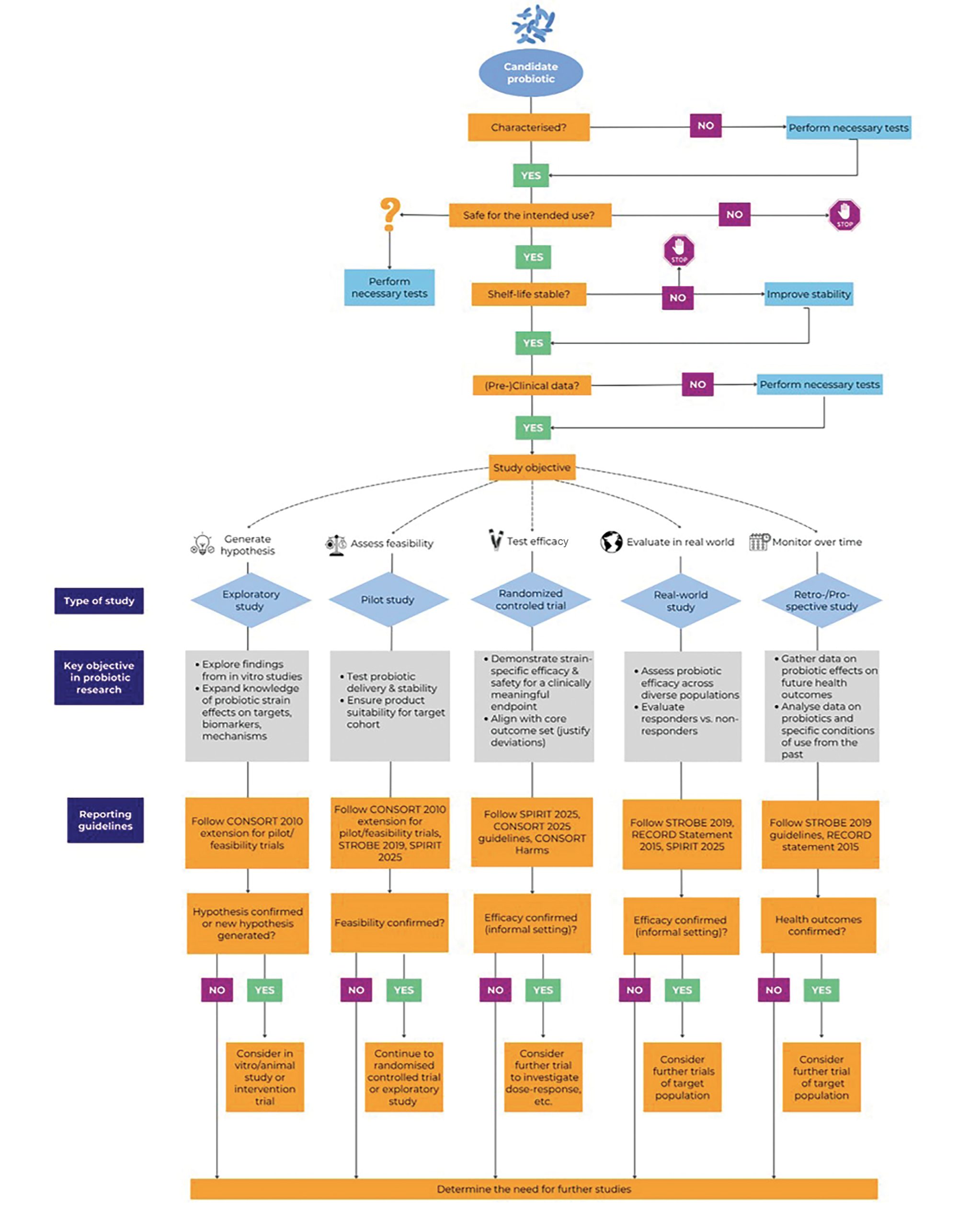
Figure 1. Decision tree for selecting fit-for-purpose probiotic human studies. CONSORT, Consolidated Standards of Reporting Trials; STROBE, Strengthening the Reporting of Observational Studies in Epidemiology; RECORD, Reporting of Studies Conducted Using Observational Routinely Collected Health Data; SPIRIT, Standard Protocol Items: Recommendations for Interventional Trials. Modified after (5).
While randomized controlled trials (RCTs) are widely regarded as the gold standard for demonstrating efficacy and safety, other study designs play important complementary roles. Exploratory and pilot studies are essential for hypothesis development and feasibility assessment, whereas real-world and observational studies provide insights into effectiveness in broader populations and under real-world circumstances.
The PRODARE framework promotes a shared understanding of study types and a consistent approach to their application, enabling meaningful comparisons and facilitating evidence-based syntheses (11).
General recommendations
Regardless of study design or research objective, several overarching recommendations apply across all probiotic human studies, Figure 2.
First, the probiotic strain must be clearly specified (12). Reporting only the genus and species is insufficient, as efficacy is strain specific. Accurate strain identification is essential for reproducibility and meaningful interpretation.
Second, participant characteristics, including diet, lifestyle, age, and health status, should be recorded and reported (8, 13). These factors influence the gut microbiota and can affect study outcomes. Minimizing variability through appropriate inclusion criteria can improve interpretability.
Third, washout periods should be defined to reduce the influence of prior exposure to probiotics or related products (14, 15). Similarly, medication use, particularly antibiotics, should be avoided or documented.
Fourth, measures should be implemented to prevent cross-contamination, especially in institutional settings (16). This is critical for both participant safety and study integrity.
Fifth, endpoints should be standardized. The use of core outcome sets can improve consistency across studies, enhancing comparability and facilitating meta-analyses (17).
Sixth, probiotic dosage and viable cell counts must be accurately reported (18, 19). Standardized storage and handling procedures are required to ensure consistency.
Finally, studies should be preregistered in recognized clinical trial registries to promote transparency and avoid duplication.
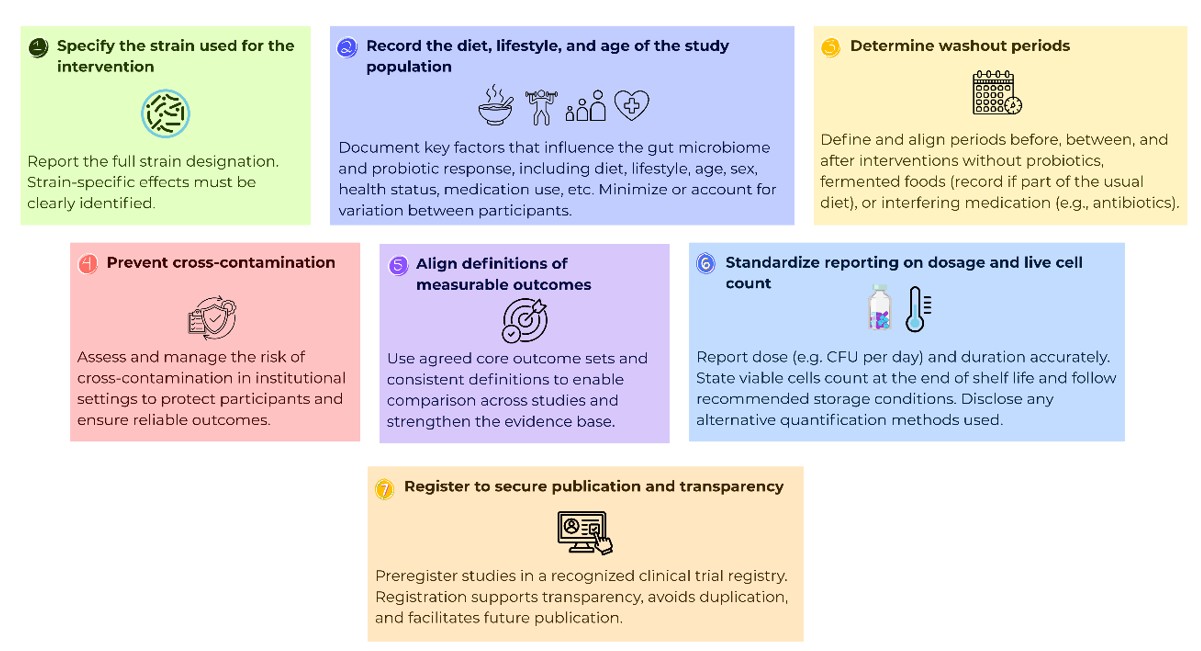
Figure 2. PRODARE general recommendations.
Probiotic human studies: types and recommendations
Different research objectives require different study designs. Rather than promoting a single approach, PRODARE encourages selecting the study design that best matches the research question, recognizing that the various study types are complementary rather than hierarchical.
Exploratory studies
Exploratory studies are typically first-in-human investigations conducted to generate hypotheses or evaluate preliminary effects. These studies often involve small sample sizes and flexible designs (20). Their primary role is to identify potential mechanisms, biomarkers, and endpoints, and to inform the design of subsequent studies.
Key considerations include assessing strain suitability, dosage, stability, participant acceptance, and adverse events. By providing early estimates of effect size and variability, exploratory studies may help ensure that future trials are appropriately powered.
Pilot studies
Pilot studies focus on feasibility rather than efficacy (21). They evaluate whether a study can be conducted as intended and refine protocols for larger trials. In probiotic research, this includes assessing recruitment strategies, study product delivery, compliance, and measurement methods.
A common misconception is that pilot studies can test hypotheses; however, they are generally underpowered for this purpose (22). Instead, they should address specific uncertainties and provide a clear basis for deciding whether and how to proceed with a full-scale trial.
Randomized controlled trials
RCTs are the primary method for evaluating efficacy and safety (6). They are designed to minimize bias and establish cause-and-effect relationships. In probiotic research, RCTs investigate strain- or strain combination-specific effects on predefined endpoints in areas such as gastrointestinal health, immune function, or metabolic parameters.
Despite their strengths, RCTs in probiotics often yield inconsistent results. Challenges include heterogeneity between strains and formulations, small effect sizes, and complex interactions with the microbiota. The absence of validated biomarkers further complicates interpretation.
To improve RCT quality, the use of standardized outcome measures is recommended (17). Proper blinding, compliance monitoring, and product quality control are also essential. Long-term studies should include careful monitoring of probiotic viability.
Real-world studies
Real-world studies (RWS) assess the effectiveness of probiotics in routine conditions outside controlled clinical environments. They provide insights into how interventions perform in diverse populations and can help identify responder subgroups (23).
RWS use a variety of data sources, including electronic health records and patient-reported outcomes (24). Although they offer practical validity, they are susceptible to biases and lack the ability to establish causality. Careful study design, data management, and ethical considerations are therefore critical.
RWS complement RCTs by providing evidence of practical effectiveness and broader applicability.
Observational cohort studies
Observational studies, including prospective and retrospective designs, examine associations between probiotic exposure and health outcomes over time (25). Prospective studies allow greater control over data collection, whereas retrospective studies rely on existing data and are more prone to bias.
Although relatively few such studies exist in probiotic research, they can provide valuable insights into long-term effects and patterns of use. Clear definition of endpoints, cohort selection, and data analysis plans is essential for their reliability.
Discussion
The PRODARE recommendations provide a consensus-based framework for improving the design and reporting of probiotic human studies. Rather than replacing established clinical research and reporting guidelines, PRODARE complements them by addressing the unique challenges associated with live microorganisms, thereby enhancing the reliability and comparability of research findings. By addressing the unique challenges associated with live microorganisms, the framework enhances the reliability and comparability of research findings.
A central contribution of PRODARE is its emphasis on probiotic-specific factors, including strain identity, viability, and dosage. Consistent documentation of these characteristics is essential for interpreting study findings and enabling meaningful comparisons across studies. Without such information, the evidence base remains difficult to inerpret and synthesize (18).
Despite advances in the field, significant knowledge gaps remain. These include a limited understanding of interactions between probiotics, diet, and the host microbiota, as well as the lack of validated biomarkers for measuring probiotic effects. Addressing these gaps is essential for advancing both scientific understanding and regulatory acceptance.
The framework also highlights the importance of integrating different study designs. RCTs provide high-quality evidence of efficacy, while exploratory, pilot, real-world, and observational studies contribute to hypothesis generation, feasibility assessment, and understanding of effectiveness in real-life settings.
Future progress will depend on coordinated efforts across academia, industry, and regulatory bodies. Standardized methodologies, shared data infrastructures, and consensus on outcome measures will be key enablers of evidence-based syntheses and translational impact.
Conclusion
A structured and harmonized approach to probiotic human studies is essential for generating robust and interpretable evidence. The PRODARE recommendations provide practical guidance tailored to the unique characteristics of probiotics, complementing existing general frameworks.
By improving study design, conduct, and reporting, PRODARE supports the development of a more consistent and credible evidence base, as shown in Figure 2. This, in turn, will facilitate regulatory evaluation, enable evidence-based applications, and ultimately advance the role of probiotics in human health. For more detail on PRODARE, the reader is referred to (5).
References and notes
- Hill C, Guarner F, Reid G, Gibson GR, Merenstein DJ, Pot B, et al. Expert consensus document. The International Scientific Association for Probiotics and Prebiotics consensus statement on the scope and appropriate use of the term probiotic. Nature reviews Gastroenterology & hepatology. 2014;11(8):506–14.
- World Gastroenterology Organisation (WGO). Probiotics and prebiotics 2023 [Available from: https://www.worldgastroenterology.org/UserFiles/file/guidelines/probiotics-and-prebiotics-english-2023.pdf.
- Hill C, Guarner F, Reid G, Gibson GR, Merenstein DJ, Pot B, et al. The International Scientific Association for Probiotics and Prebiotics consensus statement on the scope and appropriate use of the term probiotic. Nature Reviews Gastroenterology & Hepatology. 2014;11(8):506–14.
- Merenstein DJ, Tancredi DJ, Karl JP, Krist AH, Lenoir-Wijnkoop I, Reid G, et al. Is There Evidence to Support Probiotic Use for Healthy People? Adv Nutr. 2024;15(8):100265.
- Szajewska H, Benninga M, Chatonidi G, Costabile A, Lane J, van Loo-Bouwman CA, et al. Probiotic Human Study Design and Reporting (PRODARE): Recommendations to Improve Research Practice. Adv Nutr. 2026:100668.
- Zeilstra D, Younes JA, Brummer RJ, Kleerebezem M. Perspective: Fundamental Limitations of the Randomized Controlled Trial Method in Nutritional Research: The Example of Probiotics. Advances in Nutrition. 2018;9(5):561–71.
- Delaroque C, Wu GD, Compher C, Ni J, Albenberg L, Liu Q, et al. Diet standardization reduces intra-individual microbiome variation. Gut Microbes. 2022;14(1).
- Whelan K, Alexander M, Gaiani C, Lunken G, Holmes A, Staudacher HM, et al. Design and reporting of prebiotic and probiotic clinical trials in the context of diet and the gut microbiome. Nature Microbiology. 2024;9(11):2785–94.
- Larsen OFA, Claassen E, Brummer RJ. On the importance of intraindividual variation in nutritional research. Beneficial Microbes. 2020;11(6):511–8.
- Binda S, Hill C, Johansen E, Obis D, Pot B, Sanders ME, et al. Criteria to Qualify Microorganisms as “Probiotic” in Foods and Dietary Supplements. Frontiers in Microbiology. 2020;11.
- EQUATOR Network. Enhancing the quality and transparency of health research n.d. [Available from: https://www.equator-network.org.
- McFarland LV, Evans CT, Goldstein EJC. Strain-Specificity and Disease-Specificity of Probiotic Efficacy: A Systematic Review and Meta-Analysis. Frontiers in Medicine. 2018;5.
- Mirzayi C, Renson A, Furlanello C, Sansone S-A, Zohra F, Elsafoury S, et al. Reporting guidelines for human microbiome research: the STORMS checklist. Nature Medicine. 2021;27(11):1885–92.
- Hasain Z, Che Roos N, Rahmat F, Mustapa M, Raja Ali R, Mokhtar N. Diet and Pre-Intervention Washout Modifies the Effects of Probiotics on Gestational Diabetes Mellitus: A Comprehensive Systematic Review and Meta-Analysis of Randomized Controlled Trials. Nutrients. 2021;13(9).
- Tremblay A, Auger J, Alyousif Z, Calero SEC, Mathieu O, Rivero-Mendoza D, et al. Total Transit Time and Probiotic Persistence in Healthy Adults: A Pilot Study. Journal of Neurogastroenterology and Motility. 2023;29(2):218–28.
- Gengaimuthu K. The Cross Contamination (Cross Colonization) Phenomenon of Probiotic Use in Neonatal Intensive Care Units: Putative Mechanisms and Clinical and Research Implications. Cureus. 2018.
- COMET Initiative. n.d. [Available from: https://comet-initiative.org.
- Dronkers TMG, Ouwehand AC, Rijkers GT. Global analysis of clinical trials with probiotics. Heliyon. 2020;6(7).
- World Health Organization. International Clinical Trials Registry Platform (ICTRP) n.d. [Available from: https://www.who.int/tools/clinical-trials-registry-platform
- Federal Agency for Medicines and Health Products. Guidance to the conduct of exploratory (phase 0) trials in Belgium 2012 [Available from: https://www.famhp.be/sites/default/files/downloads/Guideline%20for%20exploratory%20clinical%20trials%20in%20Belgium%20v2%202012.pdf.
- Pearson N, Naylor P-J, Ashe MC, Fernandez M, Yoong SL, Wolfenden L. Guidance for conducting feasibility and pilot studies for implementation trials. Pilot and Feasibility Studies. 2020;6(1).
- The National Center for Complementary and Integrative Health (NCCIH). Pilot Studies: Common Uses and Misuses 2024 [Available from: https://www.nccih.nih.gov/grants/pilot-studies-common-uses-and-misuses.
- Reid G, Gaudier E, Guarner F, Huffnagle GB, Macklaim JM, Munoz AM, et al. Responders and non-responders to probiotic interventions. Gut Microbes. 2014;1(3):200–4.
- Wolfson J, Venkatasubramaniam A. Best (but often forgotten) Statistical Practices: Measuring Real-World Intervention Effectiveness using Electronic Health Data. The American Journal of Clinical Nutrition. 2023;118(1):13–22.
- Camargo LMA, Silva RPM, Meneguetti DUdO. Research methodology topics: Cohort studies or prospective and retrospective cohort studies. Journal of Human Growth and Development. 2019;29(3):433–6.

The Anatomy of a Paradox and a Need for Real-World Evidence

The timeless skin revolution: how Indena’s botanical innovations...

PEER REVIEWED – New evidence supports plant-based sources in clo...

How GLP-1 is reshaping food supplements

Beyond Longevity: the new frontier of healthy aging with full spectrum...

The Blueprint — How Functional Ingredients Pioneered the Digital Decen...

PEER REVIEWED – Acute postprandial gastrointestinal symptom reli...

Insights from the 19th International Scientific Conference on Probioti...